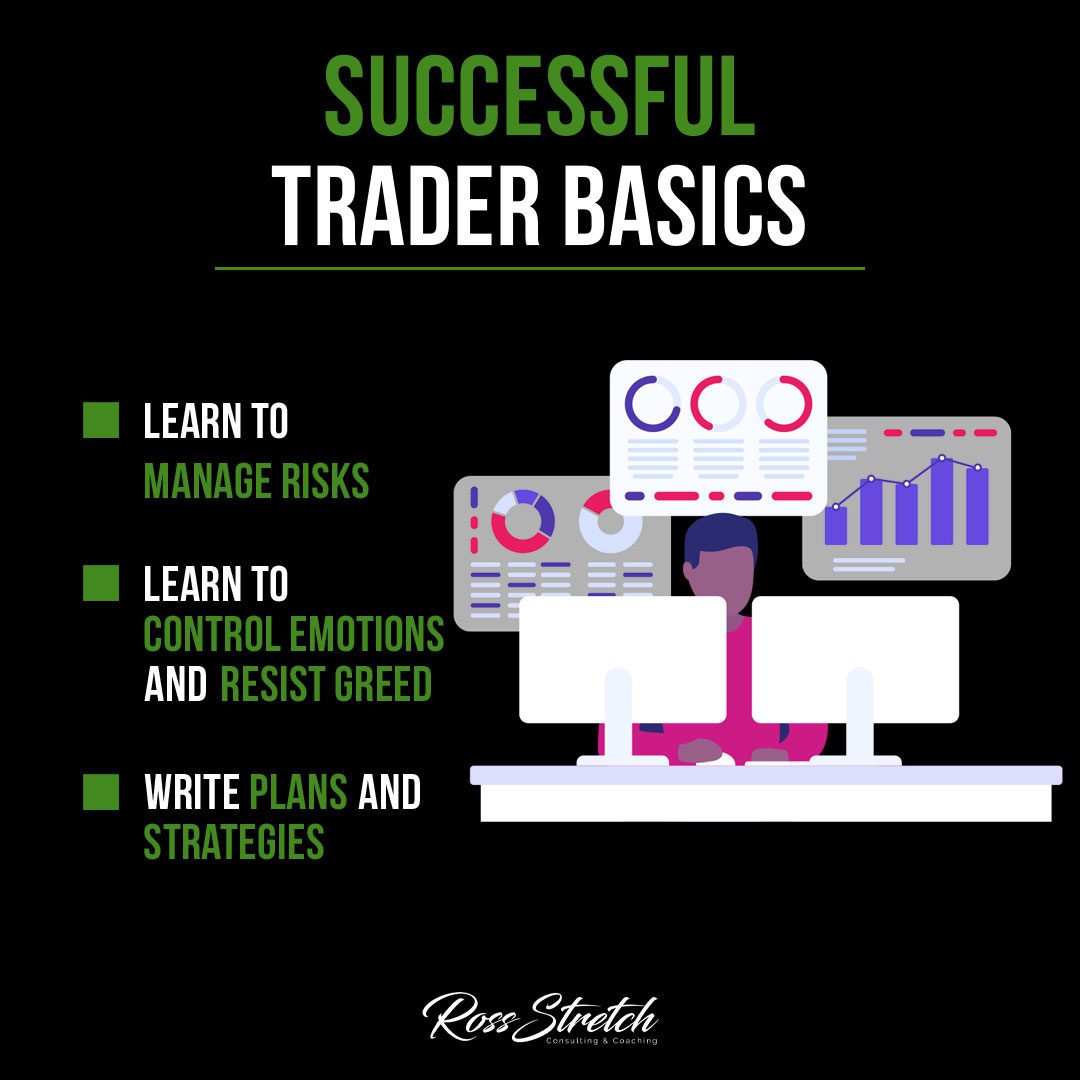
Navigating the world of trading requires a fine balance between strategic knowledge and psychological fortitude. It is not just about analyzing charts and numbers — it is about developing a disciplined approach to manage risks, control emotions, and execute well-crafted strategies. Whether you are a rookie enthusiast or a seasoned professional, understanding these foundational principles is the difference between blowing up an account and building lasting wealth in the markets.
Understanding Risk Management
Risk management is the cornerstone of any successful trading endeavor. The ability to manage risks effectively separates novices from veterans in the trading arena. It involves more than just recognizing potential pitfalls — it encompasses a series of disciplined practices and decision-making processes that protect a trader’s capital against market adversities.
A sound risk management strategy begins with accepting that not all trades will be successful. By acknowledging losses as a natural part of the process, traders can shift their focus toward minimizing damage and maximizing gains over time. One of the most widely used tools for this is the stop-loss order — a safety mechanism that automatically closes a position at a predetermined price, capping how much you can lose on any single trade.
Beyond stop-losses, traders should use risk-to-reward ratios to assess whether a trade is worth taking. A common benchmark is a 1:2 ratio — risking one dollar to potentially earn two. This means even if you lose more trades than you win, you can still come out ahead. Consistently applying this framework forces you to think probabilistically rather than emotionally, which is where durable profitability comes from.
Position Sizing: Protecting Your Portfolio
Position sizing is one of the most underappreciated skills in trading. It determines how much capital you allocate to each trade, and getting it wrong is one of the fastest ways to blow up an account. The standard guidance is to risk no more than 1 to 2 percent of your total trading capital on any single position. This means a string of losses will never be catastrophic — you live to trade another day.
Proper position sizing also prevents the psychological trap of becoming too emotionally invested in a single trade. When a large portion of your capital is tied to one outcome, fear and greed intensify, leading to poor decisions like moving stop-losses or holding losing positions too long. Keeping positions appropriately sized keeps your judgment clear.
As your account grows, position sizes should scale proportionally rather than in absolute dollar amounts. This ensures that your risk profile remains consistent regardless of portfolio size, which is the approach used by professional fund managers and systematic traders worldwide.
Mastering Trading Psychology
The psychological aspect of trading is often underestimated, yet it is just as important as technical skill. Emotions like fear and greed cloud judgment and lead to impulsive decisions that deviate from a well-thought-out trading plan. Learning to control these emotions is a vital skill for any trader aiming for long-term success.
Fear can manifest in several ways. Fear of missing out (FOMO) causes traders to enter positions without proper analysis. Fear of losses can lead to exiting profitable trades too early or holding losing ones too long hoping for a reversal. Greed, on the other hand, pushes traders to overtrade, ignore their rules, or refuse to lock in gains because they expect even higher profits.
Developing emotional discipline means adhering to a trading plan even when your gut tells you otherwise. Set clear entry and exit criteria before entering a trade and follow them meticulously, regardless of the emotional pulls that arise in the moment. Journaling your trades — including your emotional state at the time — is a proven technique for identifying behavioral patterns that are costing you money.
Building a Trading Plan That Works
Behind every successful trader is a well-crafted trading plan. This document outlines your financial goals, risk tolerance, preferred markets, analysis methods, and criteria for entering and exiting trades. It acts as a blueprint that keeps you systematic and focused, removing the need to make high-stakes decisions on the fly during live market hours.
A comprehensive trading plan also accounts for different market conditions. Markets cycle through trends, consolidation, and high-volatility periods. Your strategy should define how you behave in each phase — when to trade aggressively, when to reduce size, and when to stay on the sidelines entirely. Traders who adapt thoughtfully to market conditions consistently outperform those who apply a rigid single approach to every environment.
Review your trading plan regularly. As you gain experience and market dynamics shift, your plan should evolve. Set aside time monthly to analyze your results, identify what is working, and make data-driven adjustments. The goal is continuous refinement, not perfection on day one.
Technical and Fundamental Analysis: Using Both
Successful traders rarely rely on a single type of analysis. Technical analysis uses price charts, volume, and indicators like moving averages, RSI, and MACD to identify patterns and potential entry points. It is particularly useful for timing trades and setting precise stop-loss and target levels. Most short-term traders lean heavily on technical analysis to guide their decisions.
Fundamental analysis, by contrast, focuses on the underlying value of an asset — earnings reports, economic indicators, interest rates, and sector trends. Even if you are primarily a technical trader, understanding the broader fundamental picture helps you avoid trading against powerful macro forces. Entering a long trade in a fundamentally deteriorating sector, for example, is a recipe for fighting the tide.
The most robust approach combines both: use fundamentals to identify strong candidates and overall market direction, then use technical analysis to time your entries and exits precisely. This hybrid method gives you both the strategic context and the tactical precision that professional traders rely on.
Conclusion
The fundamentals of successful trading are rooted in three pillars: risk management, emotional control, and strategic planning. None of these can be neglected. A trader with a brilliant strategy but poor risk management will eventually self-destruct. A trader with sound risk rules but no emotional discipline will abandon their plan under pressure. Mastering all three — together — is what builds a sustainable trading career. Start with these basics, apply them consistently, and refine your approach with every trade you make.
Resources


 Ross Stretch