YouTube has paid out more than $70 billion to creators and artists over the past three years, and that number grows every quarter. But advertising revenue is only the entry point. Creators who build sustainable, diversified income treat YouTube as a multi-revenue business platform — not simply a place to post videos. Whether you’re starting from zero or already have an established audience, understanding how to structure your monetization approach is what separates a hobby channel from a genuine income-generating business.
Building the Foundation: The YouTube Partner Program
Before any monetization strategy matters, you need to qualify for the YouTube Partner Program (YPP). As of 2024, the standard threshold is 1,000 subscribers and 4,000 watch hours in the past 12 months. An alternative path — 1,000 subscribers and 10 million Shorts views in 90 days — applies for short-form creators. These thresholds exist to ensure advertisers reach real, engaged audiences, not inflated numbers.
Reaching these thresholds requires consistent publishing, quality content, and a clear understanding of what your specific audience searches for. Keyword research using tools like TubeBuddy or vidIQ, combined with close study of your analytics, reveals what your top-performing content has in common. The channels that grow fastest are those that solve specific, recurring problems for a defined audience — not those that try to appeal to everyone at once. Pick a lane, go deep, and build authority before you branch out.
Ad Revenue: What AdSense Actually Pays
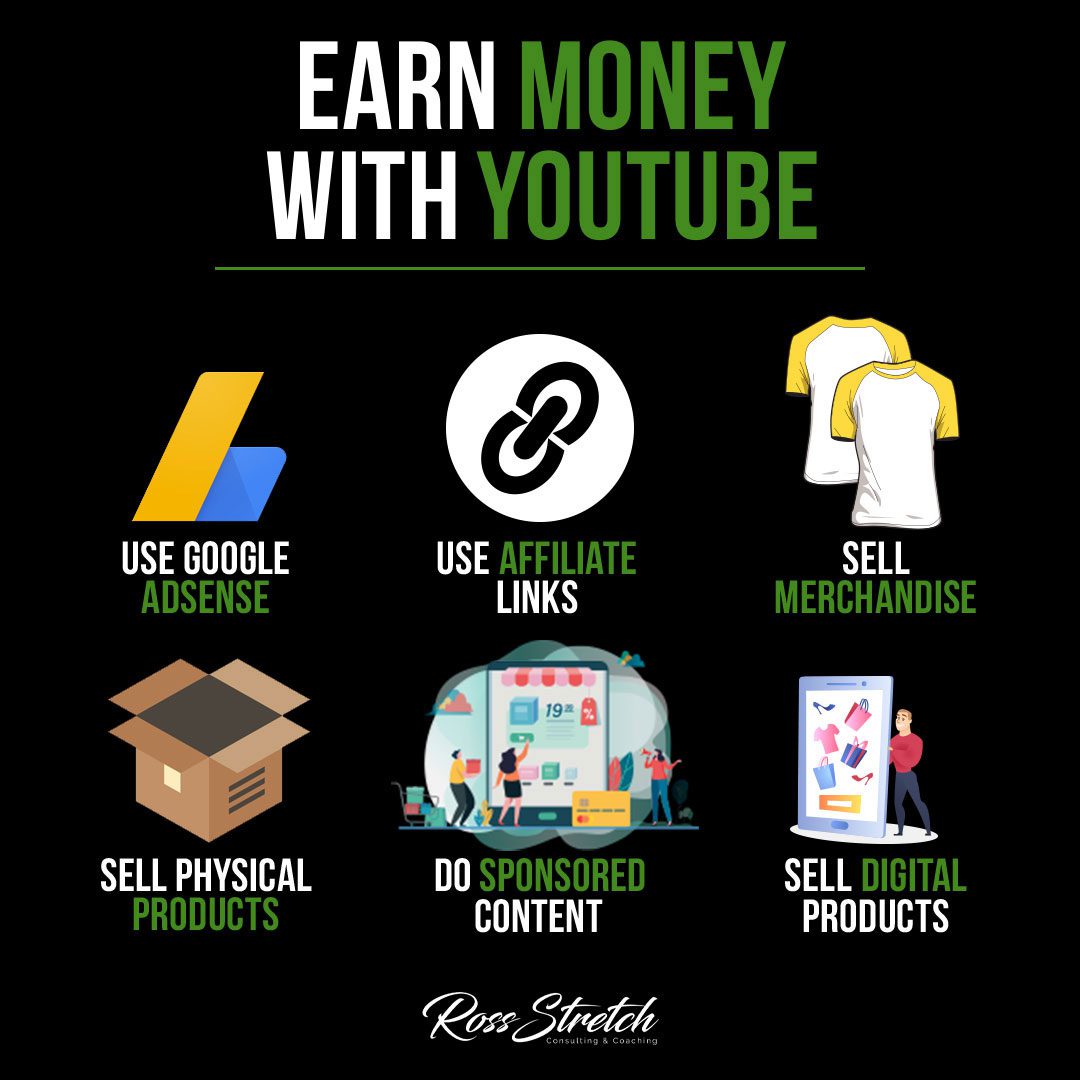
Once you’re in the YPP, ads run on your videos and you receive 55% of the generated revenue — YouTube takes the remaining 45%. The CPM (cost per thousand impressions) you receive varies dramatically by niche: personal finance, business, and technology channels routinely see CPMs of $10 to $30 or higher, while entertainment and gaming channels may see $2 to $8.
The key metric to watch is RPM (revenue per thousand views), which reflects what you actually earn after YouTube’s cut and after accounting for non-monetized views. Most channels earn between $2 and $10 RPM depending on niche, audience geography, and time of year — Q4 consistently outperforms other quarters as advertisers increase spending heading into the holiday season. Ad revenue alone is rarely sufficient to replace a full-time income at small-to-mid-size audience levels, which is why treating it as one layer rather than the whole strategy is essential.
Affiliate Marketing: Turn Recommendations Into Revenue
Affiliate marketing is one of the highest-leverage monetization channels for YouTube creators because it requires no product creation and no minimum audience size to get started. You promote products relevant to your audience, include trackable links in your video descriptions, and earn commissions on sales generated through those links.
Amazon Associates is the most widely used program, offering commissions of 1% to 10% depending on product category. Niche-specific affiliate programs — particularly software, financial services, and online education — frequently offer 20% to 50% recurring commissions on subscriptions. The most effective affiliate marketers on YouTube don’t insert random product mentions into unrelated content. They build their videos around problems their audience is actively trying to solve, then recommend products as part of the solution. This approach converts far better than generic promotional content and preserves the audience trust that makes the channel worth watching in the first place.
Merchandise and Physical Products
Physical merchandise works best for creators with strong brand identity and a loyal community that identifies with the creator’s ethos beyond just the content. YouTube’s built-in merch shelf feature allows eligible channels to display products from integrated partners like Spreadshop directly beneath their videos, reducing the friction between a viewer seeing merch and purchasing it.
Print-on-demand services eliminate inventory risk — you design products and a third-party handles production and fulfillment only when orders arrive. Margins are modest compared to digital products, but merchandise adds brand visibility and reinforces community identity. If your audience actively quotes your phrases, wears your aesthetic, or identifies with your values, merch can become a meaningful supplementary revenue stream without significant ongoing effort.
Digital Products, Courses, and Channel Memberships
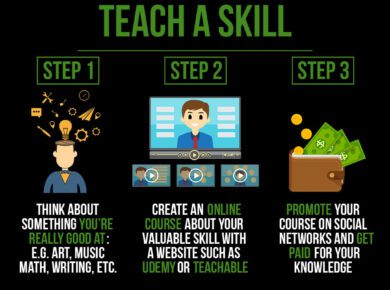
Digital products offer the best margins of any YouTube revenue stream because the production cost is front-loaded and each sale generates nearly pure profit. An online course, ebook, template pack, or exclusive workshop can be priced anywhere from $47 to $500 or more depending on depth, audience size, and the specific outcome it delivers. Your YouTube channel serves as the top of a funnel that drives traffic to these higher-margin offerings hosted on platforms like Gumroad, Teachable, or your own site.
YouTube’s channel membership feature allows subscribers to pay a recurring monthly fee — typically between $4.99 and $24.99 — in exchange for exclusive perks: members-only content, live Q&As, early access, or private community access. Platforms like Patreon offer similar functionality with more customization. Memberships create predictable, recurring revenue that stabilizes your income regardless of algorithm fluctuations — which makes them particularly valuable for creators whose views fluctuate month to month.
Sponsorships and Brand Deals
Sponsorships are typically the highest single-deal revenue source for mid-size and established creators. Brands pay YouTubers to integrate their products into videos because it delivers more credibility and targeting precision than traditional advertising — viewers trust the creator’s recommendation in a way they don’t trust a standard ad.
A common benchmark for integrated sponsorship segments is $20 to $50 per thousand views, with dedicated sponsorship videos commanding higher rates. Micro-creators with 10,000 to 100,000 highly engaged subscribers in a specific niche often command rates comparable to much larger general-interest channels, because advertisers value conversion quality over raw reach. To attract brand deals, make your media kit easily accessible — a one-page document summarizing your audience demographics, average views, engagement rate, and previous brand partnerships. Reach out proactively to brands that already advertise in your niche. And be selective: sponsorships that don’t align with your content erode audience trust and, ultimately, long-term monetization potential.
Conclusion
YouTube income is rarely a straight line. The creators who succeed financially are those who understand that ad revenue pays the foundation while affiliate marketing, digital products, memberships, and sponsorships build the structure above it. Diversifying across multiple revenue streams is not complexity for its own sake — it’s the difference between income that survives algorithm changes and income that disappears the moment YouTube adjusts how it distributes views. Build the audience first, then build the business around it.
Resources


 Ross Stretch