Materialism shapes how millions of people approach money, possessions, and success — often without realizing it. At its core, materialism is the belief that acquiring things will bring happiness, status, and fulfillment. It influences purchasing decisions, lifestyle choices, and even how we define achievement. Understanding materialism, where it comes from, and what it actually costs is essential for anyone trying to build a more intentional financial life.
This isn’t just a philosophical concept. Research consistently shows that materialistic values correlate with lower life satisfaction, higher debt, and strained relationships. Yet consumer culture constantly pushes us toward more — more things, more upgrades, more spending. Recognizing these patterns is the first step to breaking free from them.
What Materialism Actually Means
Materialism, in the everyday sense, refers to a preoccupation with material possessions and the belief that owning more things leads to a better life. It shows up in the constant desire for the newest phone, a bigger house, or luxury brands as signals of status. Psychologists identify three core dimensions: placing high importance on possessions, believing possessions are central to happiness, and measuring success by what one owns.
It’s worth distinguishing materialism from simply enjoying possessions. Owning quality tools, comfortable furniture, or items that genuinely serve your life is not inherently materialistic. The problem arises when acquisition becomes the goal itself — when getting the thing matters more than using or experiencing it. That distinction separates intentional consumption from compulsive accumulation.
Materialistic Behavior vs. Genuine Personal Interests
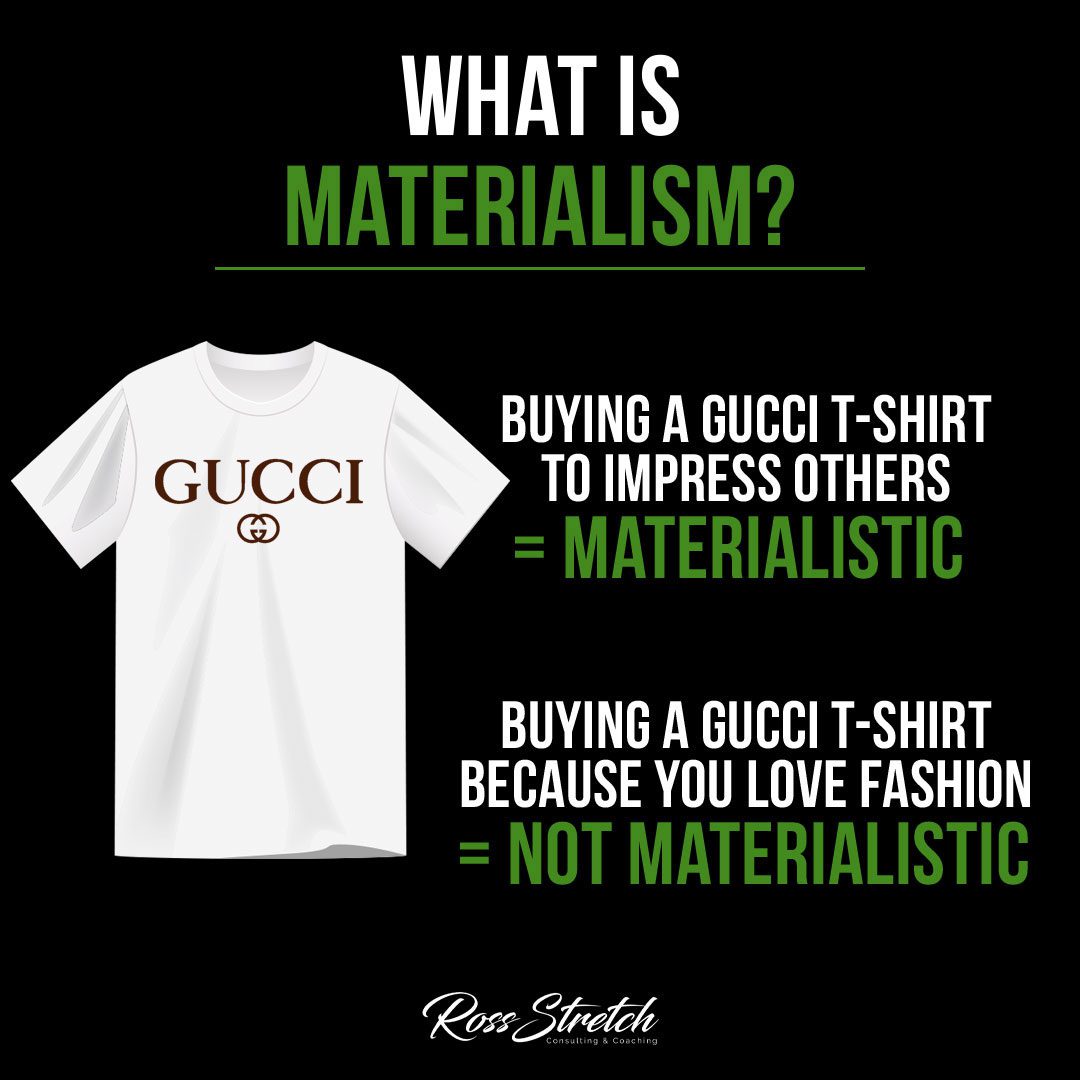
Not every purchase or preference is a sign of materialism. The key difference lies in motivation. Materialistic behavior is driven by external validation — buying things to impress others, signal status, or fit into a social group. Genuine personal interests involve acquiring possessions that align with your actual values, passions, and needs, regardless of what others think.
A photographer who invests in quality camera equipment is expressing a genuine interest. Someone who buys the same camera primarily to post photos of their gear on social media is exhibiting materialistic behavior. The object is the same; the motivation is entirely different. Honest self-reflection about why you want something reveals whether a purchase is serving you or serving an image.
- Ask yourself: would I still want this if no one else could see it?
- Consider whether the item aligns with how you actually spend your time
- Track impulsive purchases to identify patterns and emotional triggers
- Distinguish between aspirational buying and need-based purchasing
The Real Cost of Materialism
Materialism carries costs that go far beyond the price tag. Financially, materialistic tendencies fuel excessive spending, debt accumulation, and insufficient savings. People caught in a cycle of lifestyle inflation — always upgrading as income grows — often find themselves living paycheck to paycheck despite earning well above average. The pursuit of more keeps people stuck on the hedonic treadmill, constantly chasing the next purchase for a hit of satisfaction that quickly fades.
The relational and psychological costs are equally significant. Research published in journals like the Journal of Personality and Social Psychology has found that people with stronger materialistic values report lower relationship quality, less empathy, and higher rates of depression and anxiety. When possessions become a priority, relationships receive less attention and investment. The result is a life that looks successful from the outside but feels hollow from within.
Environmentally, unchecked materialism drives overconsumption and waste. Fast fashion, planned obsolescence in electronics, and single-use products all reflect systems designed to keep consumption rates high. The environmental consequences — resource depletion, landfill waste, carbon emissions from manufacturing — are real and compounding. Reducing materialistic consumption isn’t just good for your finances; it’s good for the planet.
Why Materialism Doesn’t Deliver Happiness
The promise of materialism is that buying more will make you happier. The research says otherwise. Psychologist Tim Kasser’s work, compiled in his book The High Price of Materialism, demonstrates that people who prioritize money and possessions over relationships and personal growth consistently report lower well-being. A landmark study on lottery winners found that elevated happiness levels returned to baseline within roughly a year of their windfall — regardless of the size of the win.
The reason is partly neurological. Acquiring something new produces a dopamine spike, but the effect is temporary. The excitement of a new purchase fades quickly — often within days — and the baseline desire for more returns. This is hedonic adaptation: we adjust to what we have, and the new thing stops feeling new. The only way to keep experiencing that satisfaction is to keep buying, which is exactly what consumer culture is designed to encourage.
By contrast, research consistently shows that spending money on experiences — travel, meals with people you care about, concerts, learning new skills — generates longer-lasting satisfaction than buying things. Experiences become part of your identity and story. They can be shared and remembered. A piece of furniture depreciates; a meaningful memory compounds over time.
Cultivating a Less Materialistic Life
Shifting away from materialism doesn’t mean living in austerity. It means being deliberate about what you bring into your life and why. Minimalism is one useful framework — the idea of owning fewer things, each serving a clear purpose. People who embrace minimalism commonly report lower stress, more financial freedom, and more time, since maintaining fewer possessions requires less upkeep, cleaning, and mental overhead.
A gratitude practice is one of the most effective tools for reducing materialistic tendencies. When you regularly notice and appreciate what you already have, the pull toward acquiring more weakens. Journaling, meditation, or simply taking a moment each day to acknowledge what is working in your life can rewire how you evaluate your circumstances over time.
- Implement a 30-day rule: wait a month before any non-essential purchase
- Prioritize spending on experiences, relationships, and skill-building
- Schedule regular declutters to reassess what you actually use and value
- Audit subscriptions and recurring charges for things that no longer serve you
- Set savings goals that give money a purpose beyond spending
Sustainable consumption is also part of this shift. Buying second-hand, choosing quality over quantity, and supporting ethical brands align spending with values. When purchases reflect what you actually believe in, the act of buying becomes intentional rather than compulsive.
Conclusion
Materialism is deeply embedded in modern consumer culture, but it isn’t inevitable. Understanding what drives the desire to acquire — and recognizing that possessions rarely deliver the satisfaction they promise — gives you the insight to make different choices. By focusing on experiences, relationships, and personal growth over the accumulation of things, you can build a life that is not only financially healthier but genuinely more fulfilling. The best things in life really aren’t things.
Resources
- Psychology Today — Materialism
- The Guardian — Why Materialism Makes You Miserable
- The Minimalists — How to Live with Less
- Harvard Business Review — Spending on Experiences vs. Things

 Ross Stretch