The entrepreneurial journey is one of the most rewarding paths a person can take, and starting it during your 20s gives you advantages that are nearly impossible to replicate later in life. Most people wait — for more money, more experience, more certainty — and lose the one thing they cannot get back: time. When you’re young, the cost of failure is low, the capacity for learning is high, and the opportunity to build compounding skills and experience is at its absolute peak. This isn’t motivational platitude. It’s a structural reality that shapes why so many of the world’s most successful entrepreneurs made their most important moves before the age of 30.
The Freedom to Fail Is a Feature, Not a Bug
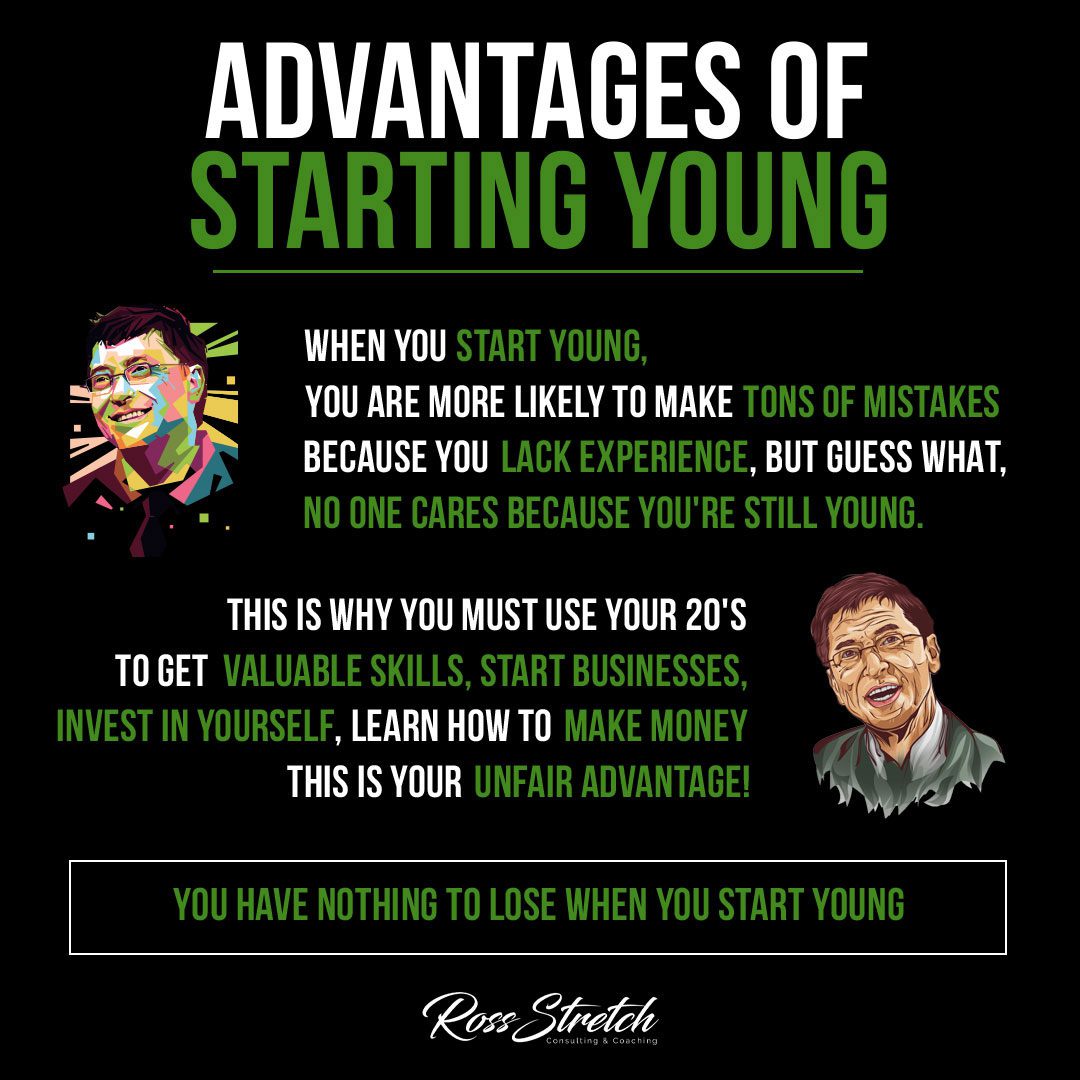
One of the most undervalued aspects of starting young is the freedom to fail without catastrophic consequences. In your 20s, you don’t have a mortgage, dependents, or a decade of professional identity to protect. That means you can take swings — at business ideas, at career pivots, at unconventional strategies — that would feel reckless to someone with more to lose.
Failure in your 20s is not a setback. It’s tuition paid in a curriculum that no university offers. Every failed business, rejected pitch, or product that didn’t land teaches you something about markets, people, and yourself that cannot be learned from a classroom or a case study. The entrepreneurs who succeed consistently are almost never the ones who got everything right on the first attempt. They’re the ones who failed fast, learned faster, and kept going.
Reframe failure as data. Each misstep tells you what doesn’t work and why — exactly the kind of knowledge you need to eventually build something that does. The sooner you collect that data, the sooner you can act on it with real insight rather than theory.
Build Skills Early — They Compound for Decades
Skills acquired in your 20s have the most time to compound. A person who develops strong communication, sales, and financial literacy at 22 has forty or more years to apply and refine those capabilities. The return on that investment is enormous, and it grows larger with every year of application.
The key is to pursue breadth early and depth later. Take on internships that expose you to different business functions. Freelance in multiple industries. Start side projects that force you to wear every hat — marketing, operations, customer service, bookkeeping. Each experience adds to a toolkit that becomes increasingly powerful as you combine its elements in new ways.
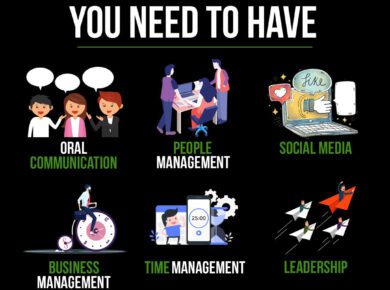
Prioritize skills that transfer across contexts: leadership, persuasion, analytical thinking, and the ability to manage time and energy under pressure. These are not natural gifts — they’re practiced capabilities that separate people who consistently perform well from those who struggle without a playbook to follow.
Start a Business Before You Think You’re Ready
The idea that entrepreneurship requires a perfect business plan, adequate funding, and the right moment is one of the most destructive myths in business culture. No plan survives first contact with the market, and no amount of preparation substitutes for the education you receive when you’re actually operating a business with real customers and real consequences.
Starting young means you can test ideas with lower stakes. A failed e-commerce store or consulting experiment at 24 costs you time and a modest amount of money — and it teaches you more about business fundamentals than most MBA programs. More importantly, it teaches you about yourself: your risk tolerance, your work ethic, your ability to sell, and the kinds of problems you’re genuinely motivated to solve.
Your first business doesn’t need to be your life’s work. Think of early ventures as iterations — experiments that teach you what to double down on and what to eliminate. The goal is to enter your 30s with real operational experience, a network you built through actual work, and a clear understanding of where your strengths create the most value.
Invest in Yourself Before Any Other Asset Class
Before you put money into stocks, real estate, or any external investment, invest in your own capabilities. The return on personal development is unmatched because it follows you everywhere, can’t be taxed, and doesn’t lose value in a downturn. A skilled person with strong judgment and a broad knowledge base will always find a way to generate value — regardless of the economic environment.
Self-investment takes many forms: online courses, mentorship, books, coaching, mastermind groups, and conferences. The common thread is intentionality. Passive consumption of information is not the same as deliberate skill-building. Be specific about what you’re trying to learn and why, and measure your progress against real-world outputs rather than hours spent consuming content.
The most valuable investment you can make in your 20s is developing a growth mindset — the operating belief that your abilities are not fixed, and that effort and strategy can move the needle on nearly any skill. With that foundation, every obstacle becomes a curriculum and every challenge an opportunity to strengthen your capacity for success.
Learn to Generate Income Outside a Paycheck
Financial literacy is rarely taught in schools, which means most people enter their professional years without a working understanding of how money actually functions. Learning early — before you have significant wealth to manage — gives you the knowledge to make better decisions once the stakes are higher.
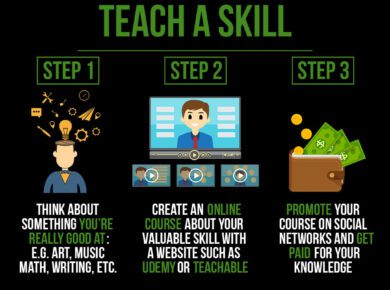
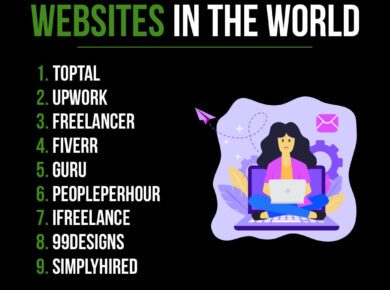
In your 20s, explore multiple ways to generate income: freelancing, consulting, content creation, e-commerce, affiliate marketing, or dividend-paying investments. Each income stream you develop reduces your dependence on any single employer and expands your financial security. The goal isn’t to become wealthy immediately — it’s to build financial habits and knowledge that will compound in your favor for the rest of your life.
Understanding the difference between earned income and passive income, how to read a profit-and-loss statement, and how to manage cash flow are foundational competencies that most people acquire too late. Build these skills now and they’ll inform every major financial decision you make going forward.
Your Youth Is an Unfair Advantage — Use It
Youth comes packaged with qualities that established businesses spend enormous resources trying to cultivate: energy, adaptability, fresh thinking, and an absence of entrenched habits. These are the qualities that allow young entrepreneurs to disrupt established industries, spot trends before incumbents recognize them, and build cultures that attract exceptional talent by treating people differently than legacy organizations do.
The most dangerous thing a young entrepreneur can do is wait. There will always be a more experienced competitor, a more mature market, or a more proven technology to justify waiting for. The advantage of youth is that you have less to lose from acting before conditions are optimal — and that asymmetry is worth more than most people realize until it’s gone.
Start with what you have. Use the freedom, energy, and resilience that come naturally in your 20s to take risks that would be harder to justify with more obligations. Build, learn, iterate, and build again. The entrepreneurial path is not a straight line, but starting early gives you the most valuable asset of all: time to course-correct before the decisions become permanent.
Conclusion
Your 20s are not a waiting room for the rest of your life. They are the single most valuable window you will ever have to build the skills, experience, habits, and financial foundation that will define every decade that follows. The freedom to fail, the time to compound your learning, and the resilience to recover from mistakes — these are temporary gifts. Use them while they’re available, and you’ll look back on this period as the launchpad that made everything else possible.
Resources
- Paul Graham: How to Get Startup Ideas — essential reading for early-stage entrepreneurs
- Atomic Habits by James Clear — building compounding habits from day one
- Investopedia: Financial Literacy — foundational money concepts every entrepreneur needs
- Entrepreneur.com: Starting a Business — guides and resources

 Ross Stretch