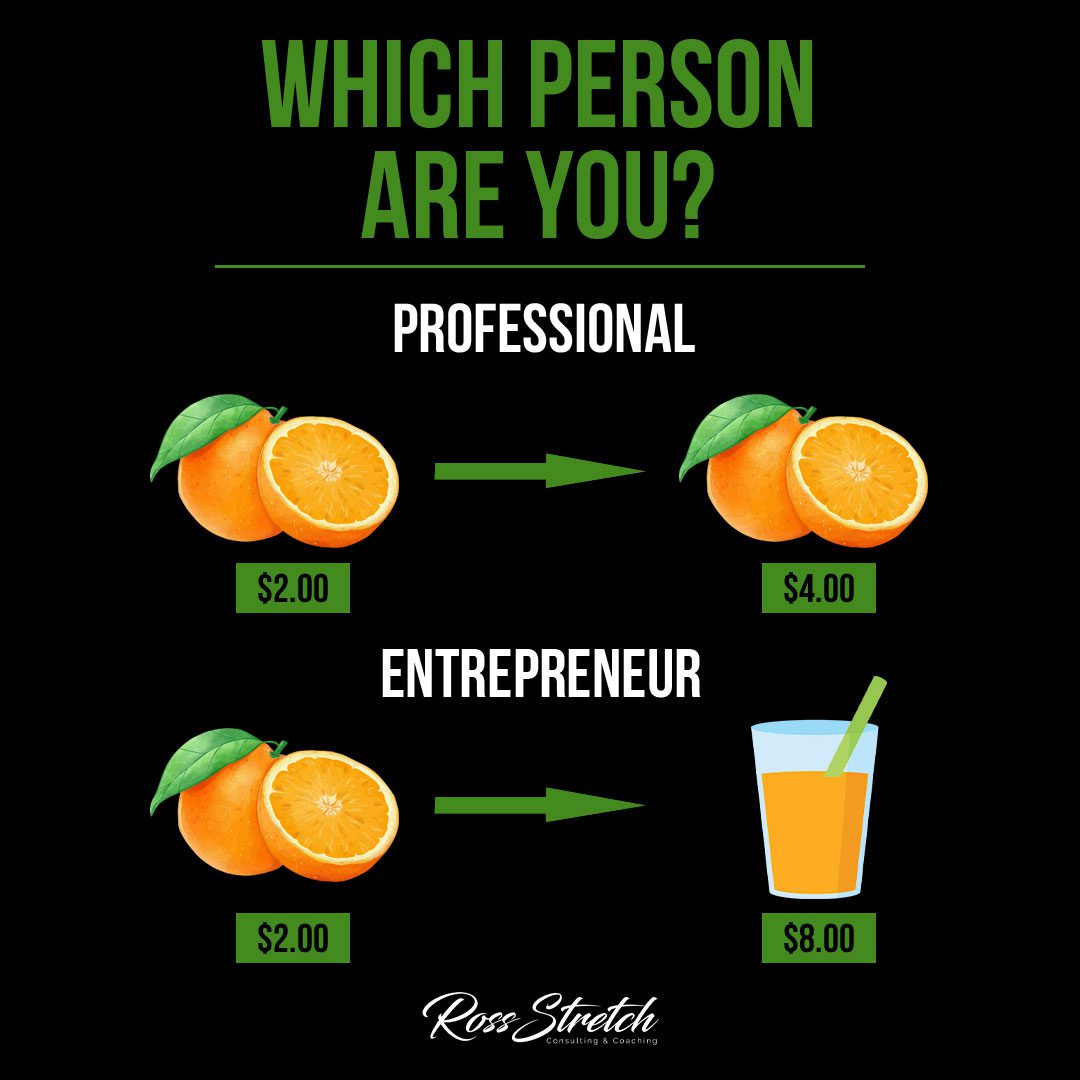
Two people can be equally talented, equally intelligent, and equally hardworking — yet one chooses the path of the professional while the other becomes an entrepreneur. These aren’t just career choices; they reflect fundamentally different mindsets, risk tolerances, and visions for life. Understanding the core differences helps you make intentional choices about your own path — or appreciate the unique value each brings to the world.
The Core Mindset Difference
The professional mindset is built on expertise, reliability, and mastery within established systems. A professional excels by becoming the best in their field, delivering consistent results, and building a reputation for excellence. They gain security through skill — the knowledge that their expertise is valuable and in demand.
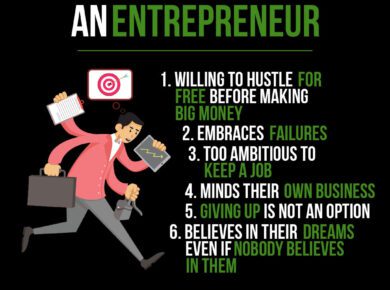
The entrepreneurial mindset is built on opportunity, creation, and comfort with uncertainty. An entrepreneur sees problems as business opportunities and existing markets as starting points for disruption. They gain security — paradoxically — through control: owning the business, making the decisions, and building something they can’t be fired from.
Risk and Security
Professionals typically trade flexibility for stability. They accept organizational structures, performance reviews, and limited control over their income in exchange for predictable paychecks, benefits, and defined career ladders. This tradeoff makes complete sense for many people — the psychological cost of uncertainty is real and significant.
Entrepreneurs accept the opposite tradeoff: they sacrifice stability for potential and control. Early entrepreneurship often means lower income than a comparable professional role, long hours, and the constant stress of uncertainty. The upside is asymmetric: a successful business can generate wealth and freedom that a salary never can.
How Each Approaches Problems
A professional, faced with a problem, asks: ‘What’s the correct solution within my area of expertise?’ They apply deep knowledge to well-defined problems, often within established frameworks. Their value comes from knowing what works and executing it reliably.
An entrepreneur, faced with the same problem, asks: ‘Is there a business here?’ They look for systemic issues that affect many people, assess whether a scalable solution exists, and ask whether that solution can be monetized. Their value comes from seeing connections and opportunities that others miss.
Which Path Is Right for You?
There’s no universally correct answer — and the binary isn’t as rigid as it might seem. Many of the most successful people in the world are ‘entrepreneurial professionals’: they’ve built careers with professional excellence and entrepreneurial thinking. A lawyer who launches a legal tech startup, a doctor who builds a private practice — these figures blend both identities.
- If you crave deep mastery, structure, and stability, the professional path will likely fulfill you more
- If you’re energized by uncertainty, creation, and the possibility of unlimited upside, entrepreneurship may be your calling
- If you love both, consider building entrepreneurial skills within a professional role, or launching a side business to test your appetite
The most important thing is intentionality. Don’t default into either path — choose it consciously, understanding the tradeoffs involved. The professional and the entrepreneur each contribute something irreplaceable to the world, and the world needs both.

 Ross Stretch