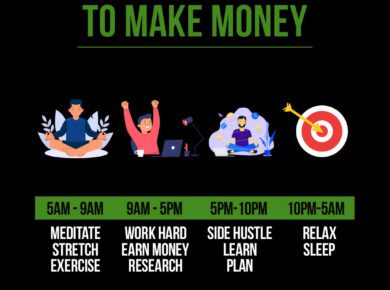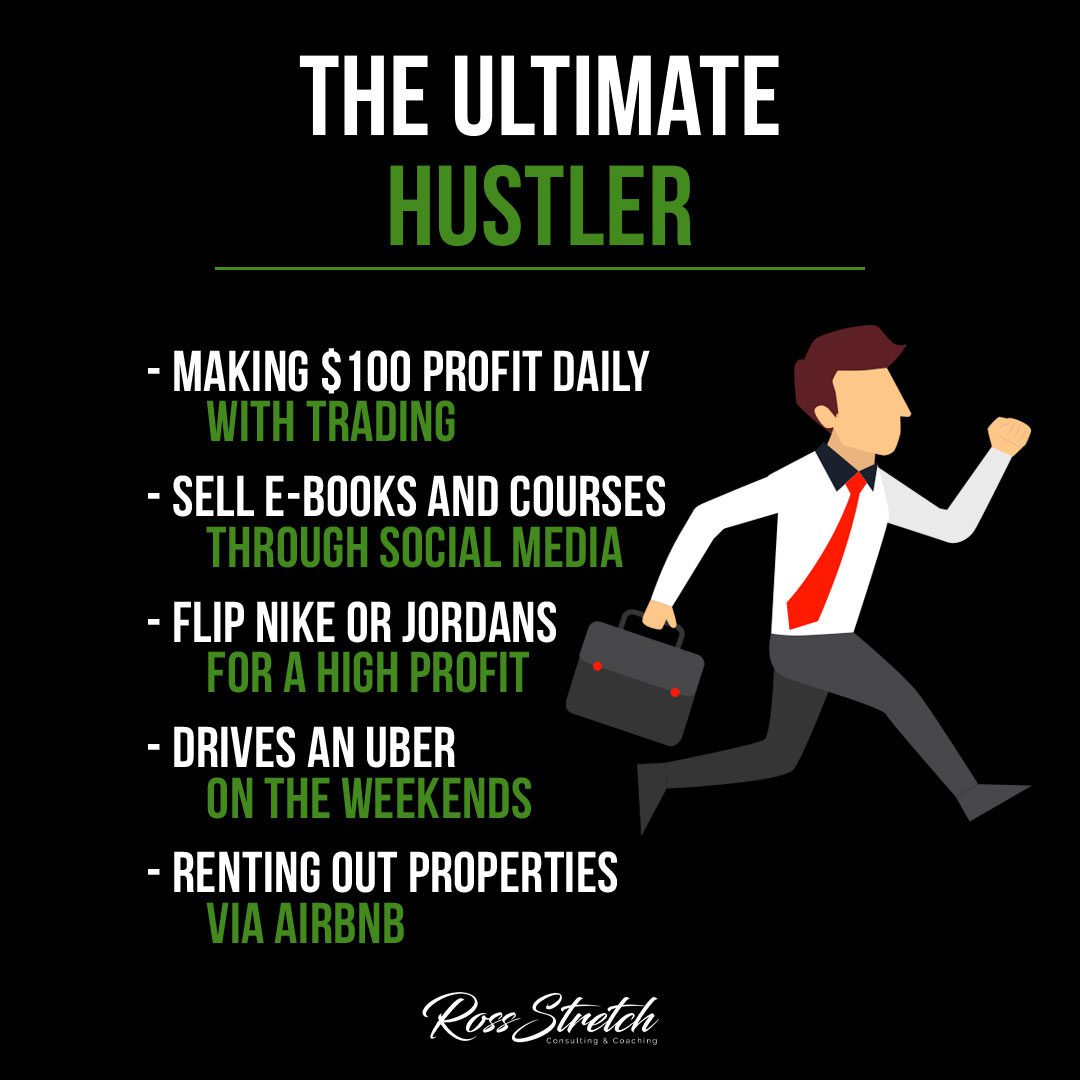
The modern economy rewards those who do not wait for a single paycheck to define their financial future. Building multiple income streams is no longer a luxury — it is a survival strategy. Whether you call it hustling, entrepreneurship, or side income, the principle is the same: diversify how you earn, and you protect yourself from the volatility of any one source. The ultimate hustler is not simply someone who works hard — they work smart, channeling energy into channels that compound over time and move them steadily toward financial independence.
Trading: Playing the Markets With Discipline
Trading stocks, ETFs, options, or cryptocurrencies can be a legitimate income source, but it demands a foundation of education before risking a single dollar. Casual, uninformed trading is indistinguishable from gambling. The traders who consistently profit do so because they understand market dynamics, risk management, and position sizing — and they trade with money they can afford to lose.
If you are new to trading, start with paper trading — simulated trades without real money — to test strategies before committing capital. Platforms like Webull and TD Ameritrade’s thinkorswim offer paper trading accounts at no cost. Study technical analysis, understand the difference between short-term speculation and long-term investing, and recognize that consistently profitable active trading is one of the hardest skills to develop in finance.
For most people, the smarter version of market participation is long-term investing in low-cost index funds. It requires less active management and has historically outperformed most active strategies over a 10-year or longer time horizon. The hustle is in the consistency of contribution, not the frequency of trades.
Monetizing Knowledge: Digital Products and Courses
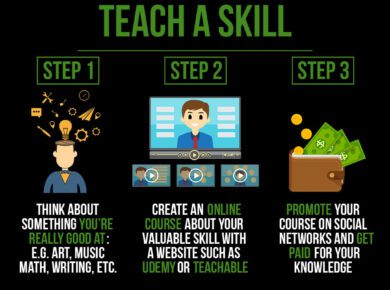
In the knowledge economy, expertise has genuine market value. If you have a skill — whether it is graphic design, personal finance, language learning, nutrition, coding, or real estate investing — you can package that knowledge into e-books, online courses, workshops, or consulting services. Digital products are among the most scalable side income streams available because they require upfront effort and can then generate income with minimal ongoing work.
A well-crafted course hosted on Teachable, Udemy, or Kajabi can earn money while you sleep. An e-book sold through Amazon Kindle Direct Publishing reaches a global audience without inventory or shipping costs. The key to success is specificity: instead of a general course on photography, build a course on editing real estate photos for listings. The narrower your focus, the more clearly it speaks to a specific buyer with a specific problem — and that specificity drives conversions.
Start with what you already know deeply. Identify the questions people in your network most frequently ask you. The answers you give for free every day could be packaged into a paid resource that serves thousands of people you will never personally meet.
Flipping Products: The Resale Market
Product reselling is one of the oldest hustles available, and it has never been more accessible. From sneakers and vintage clothing to electronics, furniture, and collectibles, the resale market runs through platforms like eBay, StockX, Poshmark, Facebook Marketplace, and Mercari. The core skill is knowing what is undervalued — which requires staying current on market demand and developing an eye for opportunity at thrift stores, estate sales, and clearance aisles.
Limited-edition products — particularly footwear — can generate meaningful margins per transaction for those with access to inventory. But the resale hustle extends well beyond streetwear. Vintage furniture bought at estate sales and resold after minor restoration, out-of-print books, collectibles, and high-demand electronics all have active secondary markets with real profit potential.
Treat reselling like any other business. Track your acquisition costs, calculate net profit margins after platform fees (typically 10-15%), account for shipping, and reinvest profits into higher-value inventory as your expertise grows. The discipline of tracking is what separates a profitable resale operation from a time-consuming hobby.
The Gig Economy: Flexible Earnings on Your Schedule
Rideshare driving, food delivery, freelance writing, handyman work, and task-based platforms like TaskRabbit have created a genuine floor of accessible earning for anyone willing to trade time for money. These gigs are not passive income, but they are flexible, immediate, and require minimal startup capital. For many people, gig income is the bridge that funds the next phase of their financial plan.
The strategic approach is to use gig earnings with intention — not just to cover expenses, but to fund something larger. Use rideshare or delivery income to build an emergency fund, purchase inventory for a resale operation, or invest in a course that develops a more scalable skill. Gig work has a ceiling: you can only drive so many hours or complete so many tasks. The goal is to treat it as a means to an end, not the end itself.
Building a Personal Brand Around Your Hustle
The hustler who builds a recognizable personal brand multiplies the value of everything else they do. A social media presence that demonstrates genuine expertise in trading, reselling, or digital products does more than attract customers — it opens doors to sponsorships, speaking opportunities, affiliate revenue, and joint venture partnerships. Your audience becomes an asset that compounds in value alongside your other income streams.
Building a personal brand does not require a production studio or a marketing budget. It requires consistent, valuable content that shows what you know and how you think. Post about your process. Share your wins and your lessons. Engage authentically with others in your space. Over 6 to 18 months of consistent, valuable content, a personal brand compounds in reach and influence in much the same way that money compounds in a well-managed investment account.
Managing Risk Across Multiple Hustles
More income streams mean more moving parts — and with that comes the risk of spreading yourself too thin, mismanaging time, or deploying capital carelessly. The smart hustler builds diversification with intention, not chaos. Start with one or two streams, scale them before adding more, and know your actual time budget. Track income from each source monthly so you can see clearly what is working and what is just consuming your energy without a return.
Tax planning is critical for every multi-income earner. Side income is fully taxable, and without quarterly estimated payments, you may face a significant bill at year’s end. Open a separate business checking account for each income stream, set aside 25-30% of all net income for taxes, and work with an accountant who understands self-employment income to stay ahead of your obligations.
Conclusion
The ultimate financial hustle is not about exhaustion — it is about strategy. By building multiple income streams, monetizing expertise, staying disciplined about risk, and developing a personal brand, you create a financial ecosystem that generates value even when any single part of it slows down. Start with one stream, build it properly, then layer the next. Treat every income source as a business worth running with intention, and you will find that the path to financial independence is less about working more hours and more about working on the right things.
Resources
- Side Hustle Nation — podcast and blog covering hundreds of real-world income stream strategies
- NerdWallet: How to Make Extra Money — practical, vetted approaches to side income
- BiggerPockets — the leading resource for real estate investing and rental income
- 100 Side Hustles by Chris Guillebeau — real stories of people who built profitable side businesses from scratch

 Ross Stretch