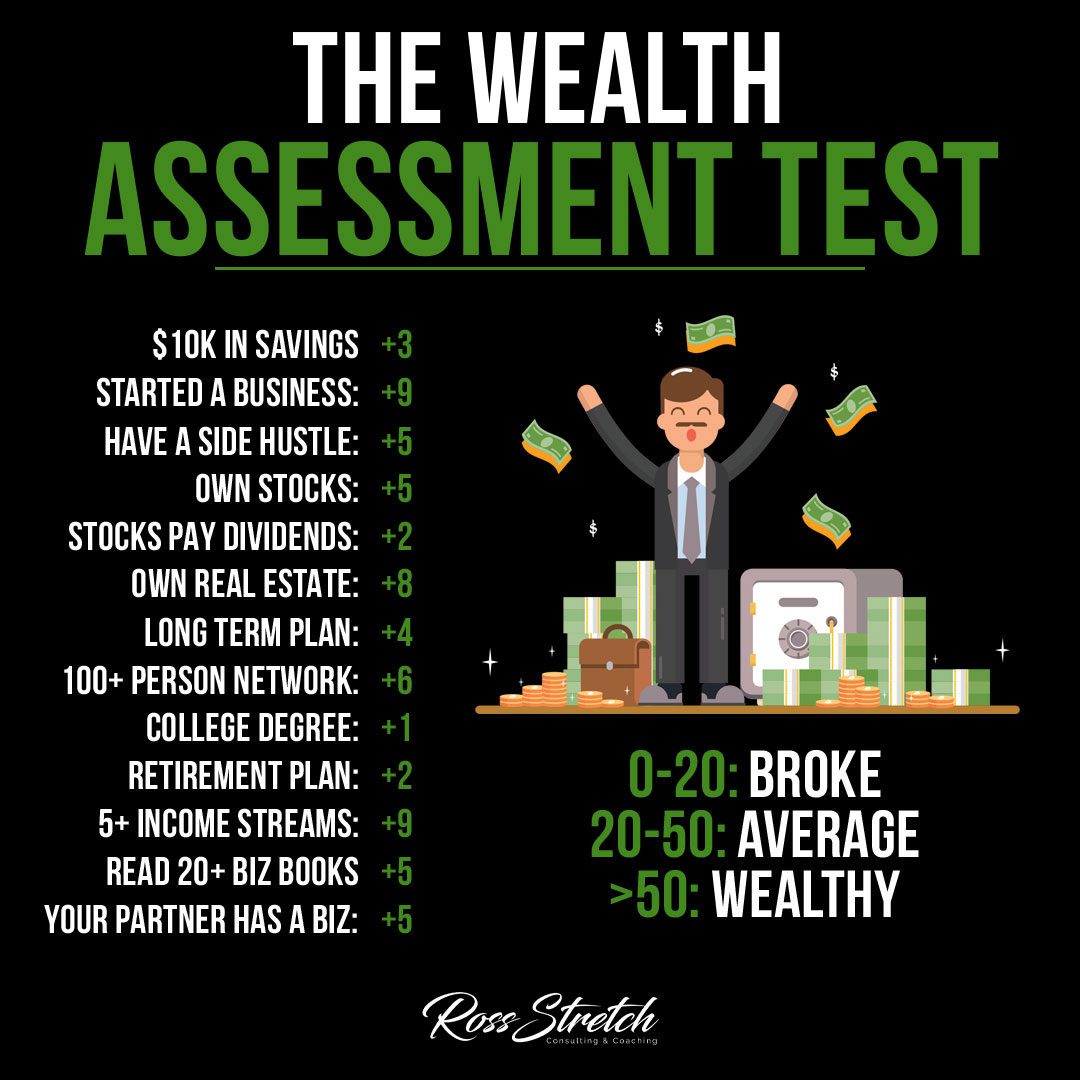
Building wealth is not something that happens to you — it is something you architect deliberately over time. Before you can improve your financial position, you need an honest picture of where you actually stand. A wealth assessment is not about judgment. It is a clear-eyed look at your assets, liabilities, income streams, and financial habits — the raw material of your net worth. Understanding where you are is the only credible starting point for mapping a route to where you want to go.
Understanding Your True Financial Position
Your financial health is more than your paycheck or your savings balance — it is the sum of everything you own minus everything you owe. Net worth is the clearest single metric of financial health, and calculating it honestly is the starting point for any serious wealth-building plan. List every asset: cash, investments, retirement accounts, real estate, and anything else of value. Then list every liability: mortgages, car loans, student debt, credit card balances. The difference is your net worth.
Many people avoid this exercise because they fear what they will find. But a low or negative net worth is not a verdict — it is a starting line. The direction matters more than the number. A net worth growing steadily month over month is a healthy trajectory regardless of where it begins. One that is declining or stagnant despite a solid income is a problem that needs addressing immediately, not deferred to some future date when things feel more comfortable.
A foundational savings cushion is the first building block of any wealth plan. Financial advisors consistently recommend maintaining three to six months of essential expenses in an accessible, liquid account. This emergency fund is not an investment — its job is to prevent financial disruption from forcing you into high-interest debt at the worst possible time, which derails every other financial goal you have.
Entrepreneurship as a Wealth-Building Engine
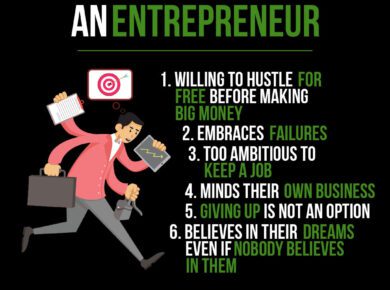
Employment income has a ceiling. Your raise is limited by what your employer is willing to pay, and your wealth-building is constrained by the margin between that income and your expenses. Entrepreneurship breaks that ceiling. A business you build can generate income that scales beyond your personal time investment, create equity that compounds over years, and open financial doors that salary alone cannot.
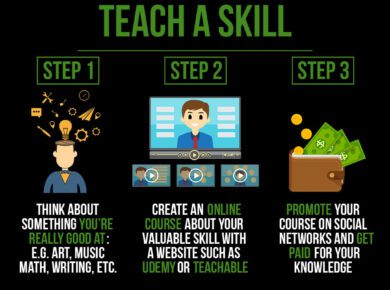
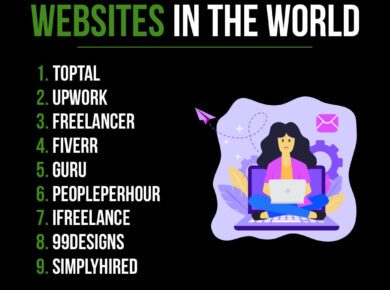
Starting a business does not require quitting your job or investing your life savings. Many successful businesses begin as side projects: freelancing, consulting, e-commerce, service businesses, and content creation all offer low-barrier entry points to entrepreneurial income. The goal is to start something, learn what works, and scale it. Even a business that generates an additional $1,000 per month changes your financial trajectory in meaningful ways when that capital is consistently invested.
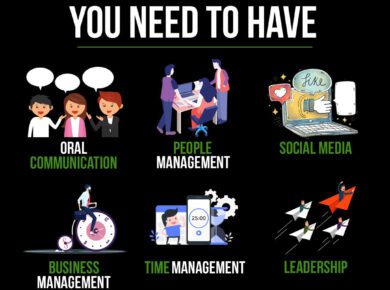
The skills developed through entrepreneurship — sales, financial management, marketing, problem-solving, customer relationships — also directly increase your earning power in any professional context. Even ventures that do not scale into full businesses produce real returns in the form of experience, confidence, and expanded network connections that pay dividends for years.
Why Multiple Income Streams Are Non-Negotiable
A single income source is a single point of failure. Economic disruptions, industry changes, layoffs, and health challenges can eliminate a sole income stream with little warning. Building multiple income streams — from employment, business, investments, freelancing, or any combination — creates financial resilience that a single paycheck fundamentally cannot provide.
The most effective additional income streams are those that move toward being passive over time: dividend-paying investments, rental income, royalties, or automated digital products. These require significant upfront effort but eventually generate income without continuous time investment. Even modestly passive income changes your financial equation by reducing dependence on any single source and freeing capital to compound elsewhere.
Diversified income also accelerates wealth-building because it creates more capital to deploy. Every additional income stream — even a few hundred dollars per month from a side project — invested consistently over ten years produces a material improvement to net worth. The compounding of small, consistent contributions over long timeframes is more powerful than most people intuitively understand.
Investing in Stocks and Real Estate
Investing is not a luxury reserved for people who are already wealthy — it is the mechanism through which non-wealthy people become wealthy. Broad-market index funds offer diversified exposure to long-term market growth with low fees and minimal complexity. Consistently investing in low-cost index funds through a tax-advantaged account — a 401(k), Roth IRA, or equivalent — is one of the most reliable wealth-building strategies available to anyone at any income level.
Real estate adds a different dimension: leverage and tangible asset ownership. A mortgage allows you to control a property worth multiples of your down payment, with tenants often covering your debt service while the asset appreciates. Real estate comes with real operational demands, but for those willing to manage it, it has historically been one of the most reliable paths to significant wealth accumulation for ordinary people.
Both asset classes reward time in the market far more than timing the market. The investor who starts at 25 and contributes consistently for 35 years will almost always outperform the investor who tries to buy at the perfect moment and starts at 45. Consistent, patient investment is the strategy that works — not clever short-term trading.
The Wealth-Building Power of Networking
Wealth is built not just through financial decisions but through relationships that create opportunities. A strong professional network can generate business referrals, investment partnerships, career opportunities, and introductions to mentors whose guidance is worth more than any course or book. The quality of your connections frequently determines the ceiling of your professional and financial options.
Networking is a skill that develops with practice. Attend industry events, join professional organizations, engage meaningfully on LinkedIn, and invest in relationships before you need anything from them. The most valuable connections are rarely transactional at the start — they are built on genuine interest, reliability, and reciprocal value over time.
Continuous Learning and Long-Term Planning
Wealthy people are almost universally committed to continuous learning. Reading about finance, business, investing, and personal development produces compounding returns on knowledge that directly translate to better decisions. Books like The Millionaire Next Door, The Psychology of Money, and Your Money or Your Life have changed the financial trajectories of millions of readers — not because they contain secrets, but because they reframe how readers think about money, time, and value.
Long-term planning is equally essential. A retirement account started at 25 and one started at 45 are entirely different instruments, even with identical contributions. Tax planning, estate planning, and adequate insurance — topics many people avoid until urgently needed — are tools that protect and preserve wealth from being eroded by taxes, liability, or unforeseen events. Planning for these early is one of the clearest markers of a wealth-building mindset.
Conclusion: Wealth Is Built, Not Stumbled Into
The gap between where most people are financially and where they want to be is not primarily one of income — it is one of strategy, consistency, and honest self-assessment. Knowing your net worth, building multiple income streams, investing early and consistently, leveraging relationships, and committing to continuous learning are not complicated ideas. They are, however, uncommon practices. That is precisely why they produce uncommon results. Start your wealth assessment today — the numbers may be uncomfortable, but they are far more useful than financial uncertainty.
Resources


 Ross Stretch